
FROM PRICING DOUBT TO AUTOMATED ACCURACY

The Challenge
The Price Confidence Gap: Because there was no system to track supplier changes, staff had to manually double-check prices before every sale, leading to slow service and a total lack of confidence in store pricing.
Disconnected Systems: Business information was trapped in separate silos—supplier catalogs, the online store, and accounting software—with no way to keep them in sync.
Inventory Blindspots: Manual stock-taking was too labor-intensive to perform regularly, resulting in frequent stockouts on popular items and wasted capital on slow-moving products.
Administrative Bloat: A high volume of supplier invoices required excessive manual entry hours, driving up bookkeeping costs and creating long delays in financial reporting.

The Solution
Phase 1: Pricing & Sales Sync (2 Weeks): Engineering a bridge that automatically detects supplier price changes and updates both the accounting software and the online store simultaneously.
Phase 2: Accounting Automation (2 Weeks): Automating the “busy work” within the accounting software—supplier bills are now logged automatically and purchase orders are generated directly from sales data.
Phase 3: Live Inventory Dashboard (1 Week): Implementation of a simplified, real-time view of stock levels to allow for smarter ordering and 100% visibility into warehouse health.
The ROI
Reduced Professional Fees: An immediate 20–25% reduction in bookkeeping costs by eliminating the need for manual data entry.
Protected Profit Margins: Prices are updated the moment a supplier shares a new price list or catalog. This ensures staff have 100% confidence in their quotes, reduces human error, and ensures you never sell at a loss.
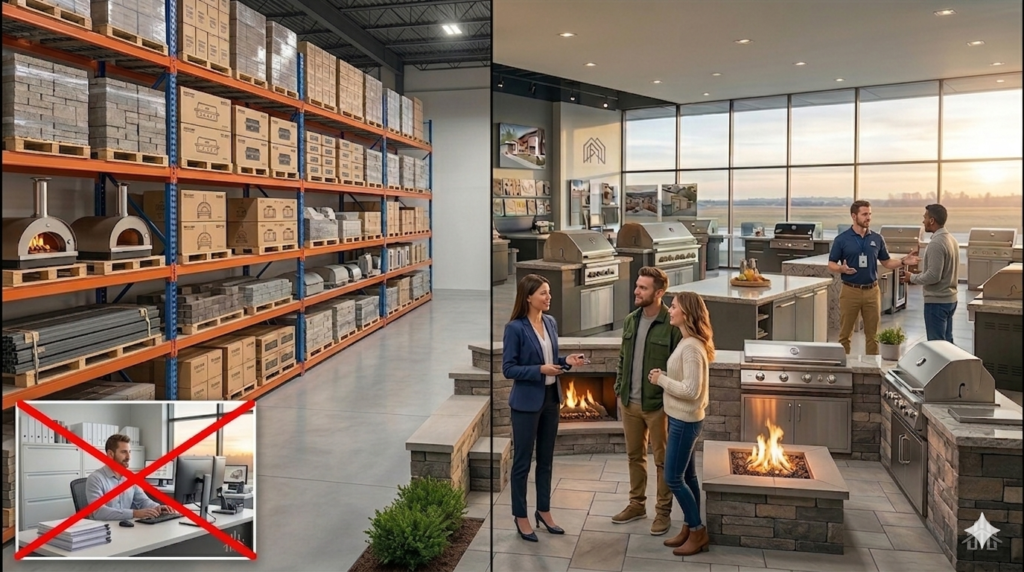
Staff Empowerment: Reclaimed 15+ hours weekly from office admin tasks, allowing the team to focus on high-value sales and customer experience.
Capital Efficiency: Improved inventory turnover and reduced stagnant stock, freeing up cash flow for new product lines and business growth.
